Author name: Nasim Gazerani

Nasim Gazerani was born in 1983 in Arak. She holds a Master's degree in Software Engineering from UM University of Malaysia.

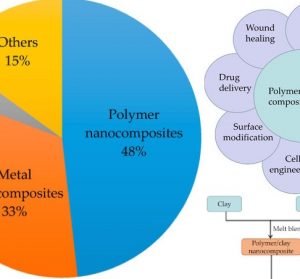
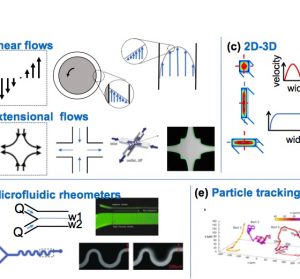
A Review of the Synthesis and Applications of Polymer–Nanoclay Composites

A Review of the Synthesis and Applications of Polymer–Nanoclay Composites

Abstract Recent advancements in material technologies have promoted the development of various preparation strategies and applications of novel polymer–nanoclay composites. Innovative synthesis pathways have resulted in novel polymer–nanoclay composites with

A Review of the Synthesis and Applications of Polymer–Nanoclay Composites Read More »

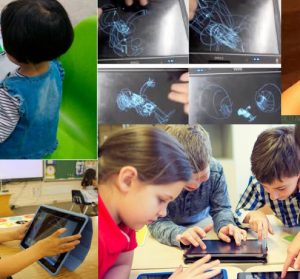
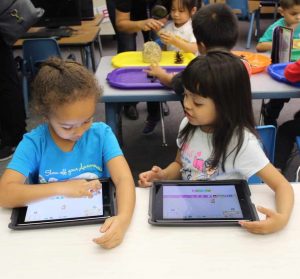
Using Tablet Applications for Children With Autism to Increase Their Cognitive and Social Skills

Using Tablet Applications for Children With Autism to Increase Their Cognitive and Social Skills

Abstract Several researchers along with technicians have been developing software and hardware to support and/or replace the standard method of teaching for children with autism spectrum disorders (ASDs) and/or other

Using Tablet Applications for Children With Autism to Increase Their Cognitive and Social Skills Read More »

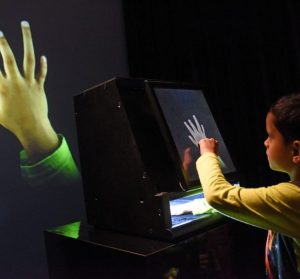
Multitouch Tablet Applications and Activities to Enhance the Social Skills of Children with Autism Spectrum Disorders

Multitouch Tablet Applications and Activities to Enhance the Social Skills of Children with Autism Spectrum Disorders

Abstract In spite of great improvements in early diagnosis and interventions, most children diagnosed with Autism Spectrum Disorders (ASD) are unlikely to live independently when they reach adulthood. We have

Multitouch Tablet Applications and Activities to Enhance the Social Skills of Children with Autism Spectrum Disorders Read More »

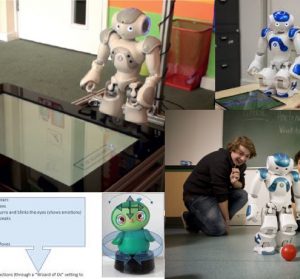
Dynamic testing: Can a robot as tutor be of help in assessingchildren's potential for learning?

Dynamic testing: Can a robot as tutor be of help in assessing children’s potential for learning?

Abstract This study examined whether computerized dynamic testing by utilizing a robot would lead to different patterns in children’s (aged 6–9 years) potential for learning and strategy use when solving

Dynamic testing: Can a robot as tutor be of help in assessing children’s potential for learning? Read More »